
Choose the biome
Start with the current climb and switch between Shore, Tropics, Alpine, Caldera, and The Kiln without leaving the map.
Scroll to zoom. Drag the map to move. Select a marker for the item name and icon.
 Loading live mapFetching today's terrain and markers…
PEAK game field guide
Peak biomes today answers a time-sensitive question: which environments form the current climb, and how should that change the route? Use the map first, then read the biome notes.
HOW TO USE THE MAP
Keep the map open while you make the next route decision. The interface follows the order players actually need: choose the environment, remove unrelated markers, then inspect the terrain around a useful point.
Start with the current climb and switch between Shore, Tropics, Alpine, Caldera, and The Kiln without leaving the map.
Turn on the category that answers the immediate question. Fewer pins make the route and its landmarks easier to read.
Select a marker for its name, zoom into the terrain, then drag the map until the approach makes sense for the party.
VISUAL ROUTE GUIDE
These map views use the same source images as the interactive tool. They give the page visual context while the live map above remains the place to click, zoom, filter, and inspect.
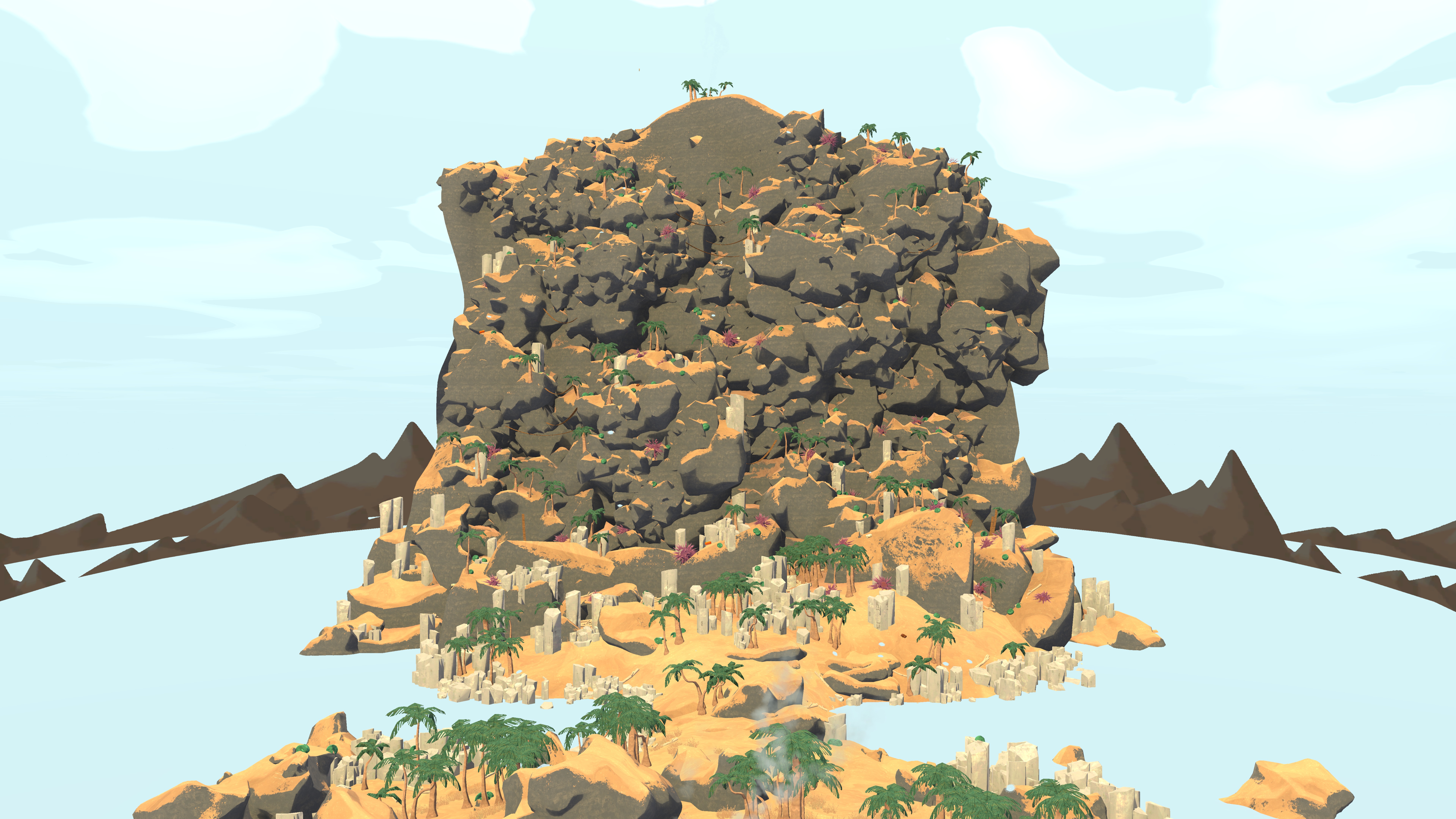
ROUTE VIEW
The useful answer is usually a route decision, not a pin by itself. Start with the mandatory path, identify one nearby landmark, and keep a fallback point in view. The map puts terrain first so an optional objective can be judged against the climb rather than treated as an isolated coordinate.
Open the live map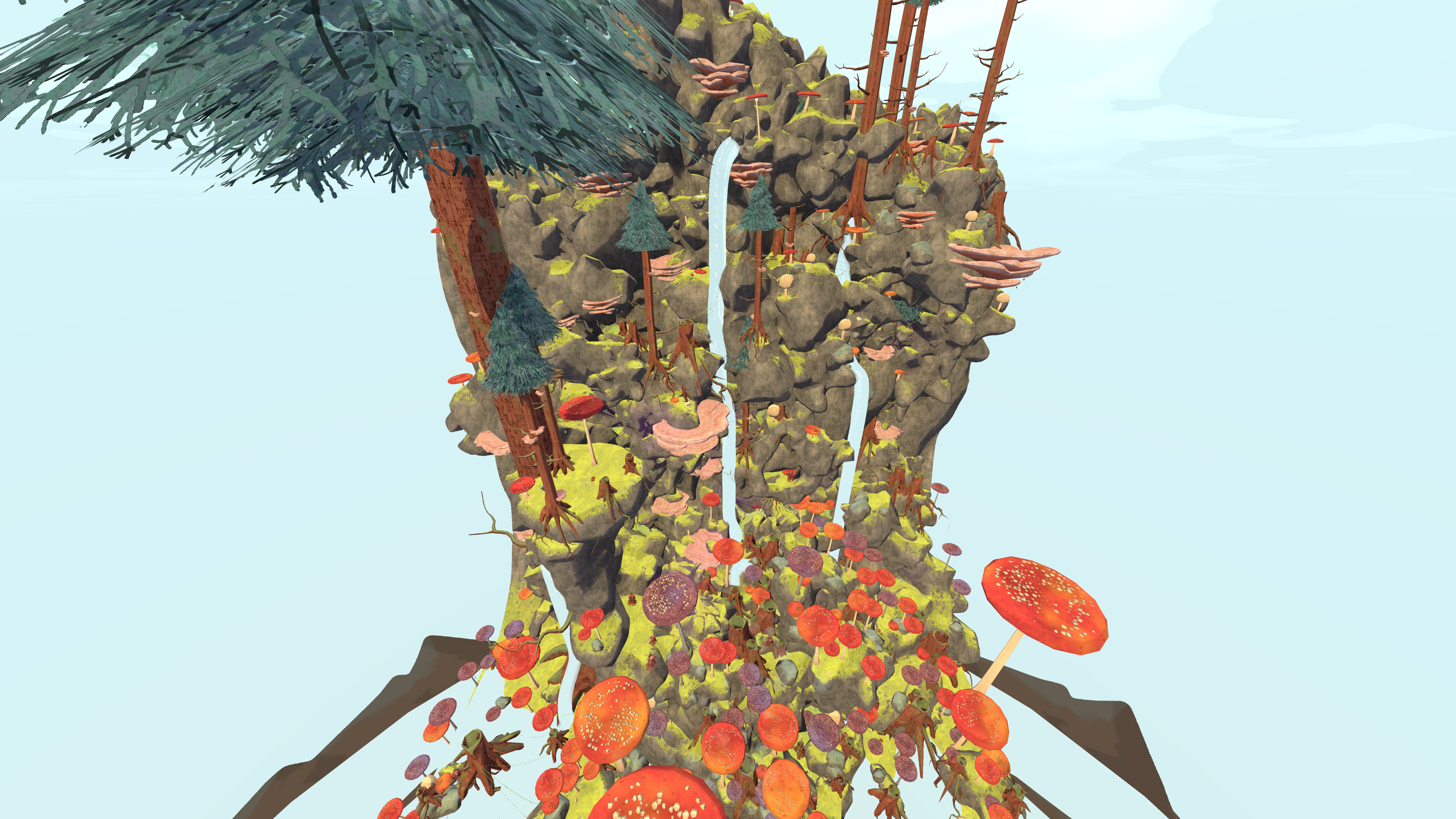
ITEM SEARCH
Luggage, belltowers, animals, amulets, and tombs answer different questions. Use the layer panel like a briefing board: leave only the categories that match the run, then open a marker to confirm its icon and name. Luggage subtypes can be narrowed further when the group is hunting one specific item.
Open the live map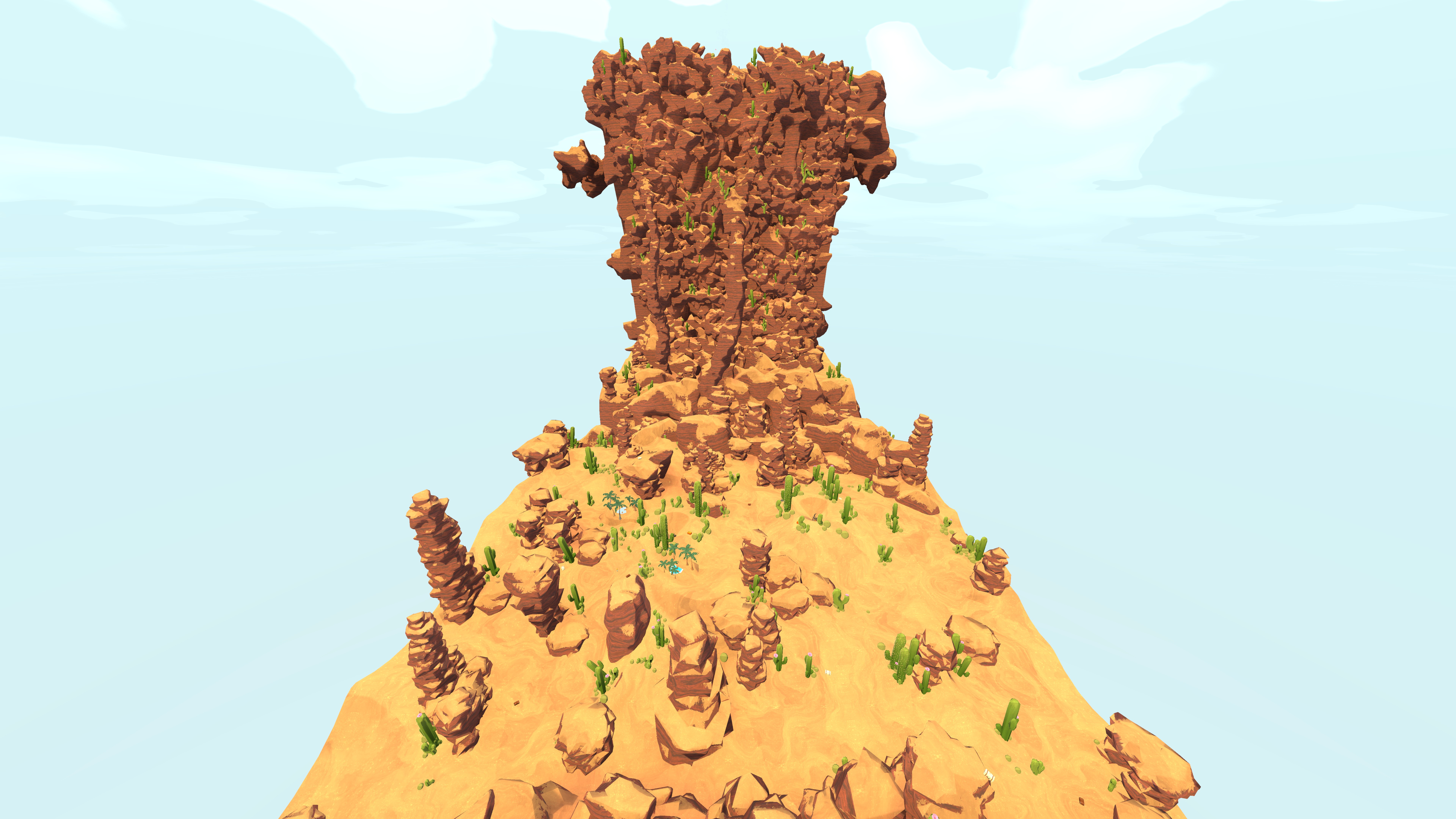
BIOME SWITCHER
Biome pages work best when they keep the actual tool in context. Use the previous and next controls to compare the climb, leave your active layer visible, and return to the current route when the decision is made. The map stays useful while the keyword page explains what changed.
Open the live mapMAP LAYERS
Peak biomes today searches are fundamentally route-planning searches, because biome order determines movement, visibility and detour value. The layer panel is designed for quick decisions: every category can be turned on or off without changing the current biome or losing your place on the image.
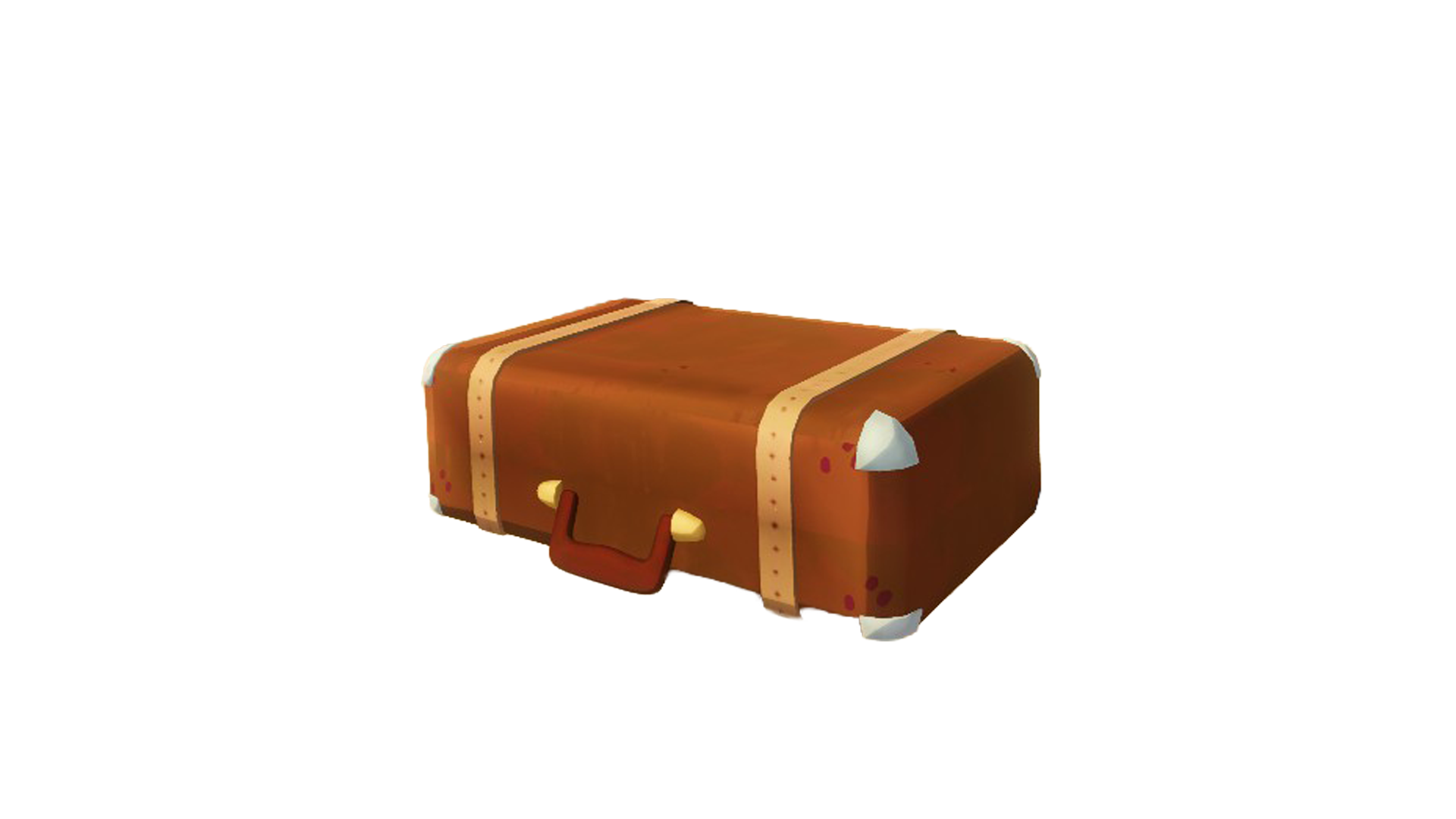
Supplies and item-specific subfilters for a focused collection route.
A landmark layer for checking recognizable structures along the climb.
Animal markers, including the capybara locations players often search for mid-run.
Optional reward locations that can be compared with the required route.
Tomb markers for deciding whether the entrance is reachable without a costly detour.
FIELD NOTES
Use these notes after the first map read. They explain what the markers mean, how the daily rotation affects confidence, and why the original project's zoom-and-pan behavior matters when the route gets dense.
A useful route is a sequence of low-friction decisions. Confirm the biome, identify the mandatory direction, then look for one nearby reward that does not pull the group away from a safe line. If the map shows a marker behind an unclear ridge, use the closest recognizable silhouette as the confirmation point. This reduces the common mistake of following a coordinate while ignoring the terrain. When the route becomes expensive, the fallback is simple: keep moving toward the summit and leave the optional marker for another rotation. Peak biomes today searches are fundamentally route-planning searches, because biome order determines movement, visibility and detour value.
The category checkboxes are deliberately independent. A group looking for a tomb does not need every luggage marker on screen, and a collector checking amulets may want animals hidden while crossing a dangerous section. The luggage row also exposes item-specific filters copied from the community data. Filtering at the source keeps the map legible and makes the marker inspector faster to use on a small screen. Peak biomes today searches are fundamentally route-planning searches, because biome order determines movement, visibility and detour value.
The points are read from the public PeakMap data files and positioned against the same map image dimensions used by the original project. That preserves the relationship between an item coordinate and the terrain underneath it. A position can still vary after a patch, a different game build, or a changed route. Use the timestamp, the biome label, and the in-game landmark together instead of treating a single pin as absolute proof. Peak biomes today searches are fundamentally route-planning searches, because biome order determines movement, visibility and detour value.
Peak map pages often attract people who want one narrow answer, yet the route is easier to understand when adjacent biomes remain one click away. The biome controls keep the interaction in the page: there is no need to return to a homepage or open a separate article. Top view is the normal planning view; side angle is available for the early levels where the original project provides an alternate image. Peak biomes today searches are fundamentally route-planning searches, because biome order determines movement, visibility and detour value.
The reference implementation treats the map as a canvas rather than a static image. The current interface follows that model with wheel zoom, plus and minus controls, a reset action, and pointer dragging when magnified. Marker size is stabilized while zooming so icons remain usable. On touch devices, the viewport keeps pointer gestures local to the map and does not turn a drag into an accidental page scroll. Peak biomes today searches are fundamentally route-planning searches, because biome order determines movement, visibility and detour value.
The map reports the source update in UTC and shows the next daily reset countdown. That timing matters because a page can remain technically available while its route is already stale. Before a serious attempt, compare the displayed timestamp with the game cycle you are entering. If a new update arrives, reload the page and re-check the biome before sharing a detour with the party. Peak biomes today searches are fundamentally route-planning searches, because biome order determines movement, visibility and detour value.
Peak Map Today is an independent fan-made guide. It uses a public community repository for the map images and location data and does not claim to be an official game service. The practical value is speed: a direct map, visible layers, recognizable icons, and a clear explanation of how to use them. The guide should support exploration and route decisions, not replace attention to hazards, stamina, or teammates. Peak biomes today searches are fundamentally route-planning searches, because biome order determines movement, visibility and detour value.
QUICK ANSWERS
Short answers for players arriving with one specific map question.
No. This is an independent fan guide using public community map data.
Yes. Scroll or use the plus and minus controls to zoom, then drag the enlarged map to pan.
Enable only Tombs or Animals in Map layers, then select the matching marker on the current biome.
The active biome, side angle, filters, or current data rotation may not include that category. Check the layer count and timestamp.
The source targets a daily update at 17:00 UTC. The live status and countdown are shown above the map.